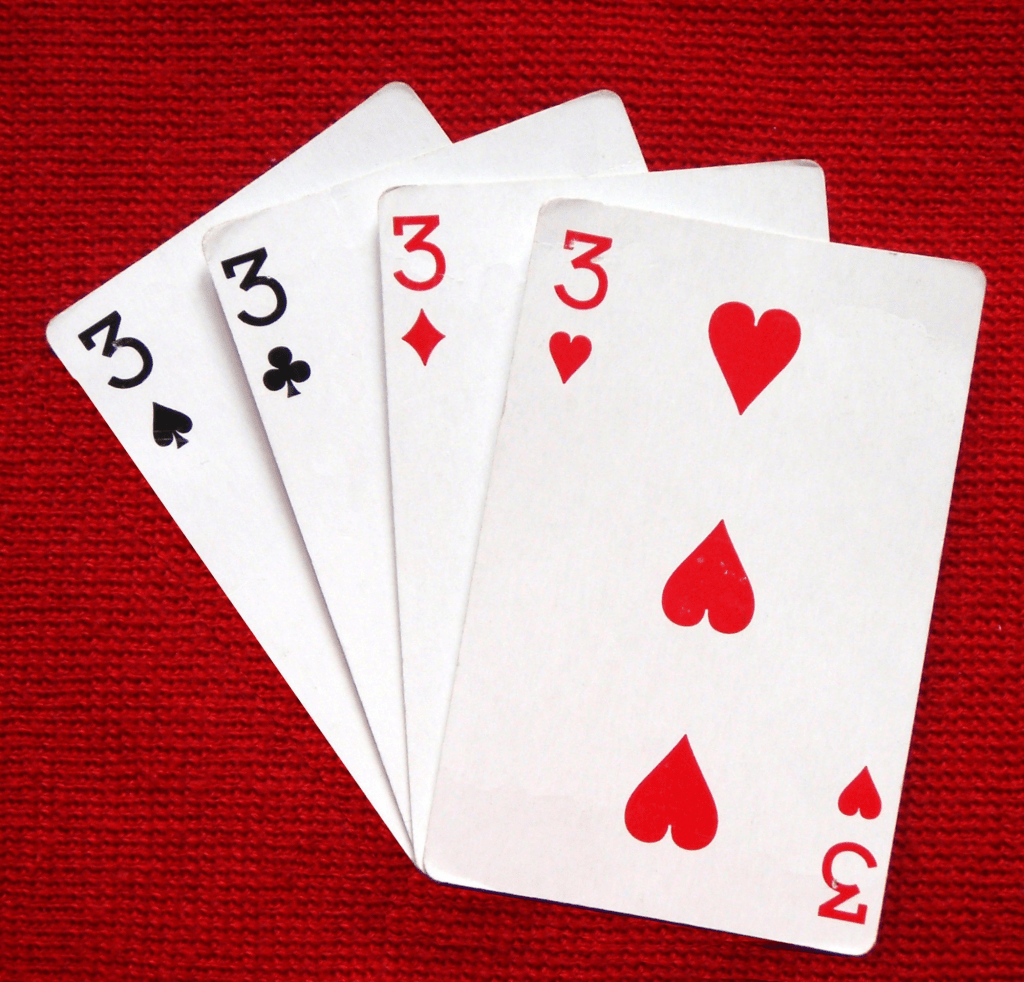
In India, card games have become an integral part of social and family gatherings, thus weaving 100cuci their way into the cultural fabric of the country.
You can play them during celebratory festive nights or casual evenings, enjoying games like Teen Patti, Poker, or Rummy. There are plenty of options to try, with each offering a unique blend of entertainment and social interaction.
For many people, these games are more than just pastime activities, as they stimulate camaraderie, tradition, and strategic thinking. The significance of card games in Indian culture is profound, often serving as a bridge between generations where elders pass down the rules and tricks to the younger generation.
They also have an impact on your everyday life, providing an escape from standard routine and stress. These games are an embodiment of the Indian ethos of joy and togetherness, highlighting the locals’ love for spirit and competition.
That said, there are a few options for 5-player card games that stand out from the others in terms of competition and engagement.
If you have never tried these card games, you can learn about them below and propose an alternative the next time you come together with your close ones for an evening of merriment.
List of Best 5 Player Card Games to Explore
- Texas Holdem
Texas Hold’em is the most popular poker variations and is played in casinos as well as between friends and members of families worldwide. It is known for its strategic depth and the notorious “bluffing” aspect, making the game thrilling.
Setup
Texas Hold’em uses a standard deck of 52 cards. You need poker chips to represent your bets. It can accommodate players anywhere between 2 to 10. Each player is dealt two private cards or ‘hole cards’.
As the game progresses, the dealer deals five community cards face up, with the players’ objective being to form the best 5-card hand using these cards.
The Gameplay
Betting rounds: There are four betting rounds – Pre-Flop, Flop, Turn, and River.
Dealing: Every player at the table is dealt two cards each face down. Then, the first round of betting starts.
The Flop: Here, three community cards are dealt by the dealer face up, which is followed by another round of betting.
The Turn: A fourth community card is dealt, and another round of betting ensues.
The River: A fifth and final community card is revealed, with the last bets placed subsequently.
Showdown: Players, who have not yet folded, reveal their cards. The one with the best 5-card hand is declared the winner.
- Rummy
Rummy is a classic card game where you form sets or ‘runs’ of cards by drawing and discarding. The objective is to arrange all cards into valid combinations and be the first to declare.
The game requires you to use strategy and skill, making it a popular game in social and family gatherings.
Setup
Rummy can be played in a small group as well as between multiple players. Depending on the number of players the number of decks used will vary. In the case of 5 players, you will require two decks of cards, with 13 players dealt between each player.
The remaining cards will form a draw pile, with the top card placed face up to start a discard pile. Every player must aim at forming valid sets and runs and declare once the objective is complete.
The Gameplay
Drawing: On your turn, you must draw a card either from the draw pile or the discard pile. Every player at the table must follow suit during their turn.
Melding: You must then form sets or runs using the cards in your hand. You can choose to lay down the completed combinations if you choose, but the declaration must come only after all the meldings are performed.
Discarding: After drawing a card, you must discard an unwanted card into the discard pile, thus ending your turn.
Winning: The first player to arrange all their cards in valid sets and sequences is declared the winner. The remaining players must then tally the unmatched cards to determine their score.
- Bridge Card Game
Bridge is a trick-taking game with vibrant history and carries a strong presence worldwide. It is highly competitive and played in partnerships and is suitable for social gaming circles. It is ideally played between four players, forming two partnerships.
Setup
Typically, Bridge is a 4-player card game, but you can make adjustments to include one more player and ensure everyone participates. While 4 players play the game and receive 13 cards each, the fifth player can act as the dealer and scorekeeper.
They can swap after the end of the game, ensuring the inclusion of the fifth player.
The Gameplay
Bidding: The game starts with a round of bidding, wherein players declare how many tricks they can complete, and which suit will be the trump suit. The player sitting to the dealer’s left starts the proceedings, and the game progresses clockwise. The highest bid placed becomes the contract.
Playing: The player sitting to the left of the individual who won the bid leads the first trick. Other players must follow suit if possible; if not, then they can play any card. The highest card of the suit in play wins the trick unless someone else plays the trump card.
Rotating: After each hand, players can rotate the fifth player, as one of the previous four players manages scores and dealing.
Scoring: You receive points based on the number of tricks and the contract bid. If you exceed the predefined bid, you receive additional points. However, if you fail to match the bid, you incur negative points.
- UNO Card Game
UNO is a popular and colorful card game that combines elements of strategy and chance. It is suitable for players of all ages and is known for its fast-paced gameplay and simple rules, making it a favorite at family gatherings and parties. The primary objective is to be the first player to discard all their cards.
Setup
UNO makes use of a special deck of cards featuring four different colors – red, blue, green, and yellow – each numbered from 0 to 9.
They also contain special action cards – Skip, Reverse, Draw Two, Wild, and Wild Draw Four. Each player at the table receives 7 cards, with the remaining ones forming the draw pile. The top card is placed face up and becomes part of the discard pile.
 Site Title
Leave a comment